
The Longines Column-Wheel Chronograph
Longines mandated and paid ETA to develop a brand-new exclusive self-winding movement with a column wheel for a wrist chronograph. The reference number given to the new calibre was L688.2. As part of the continual programme of reviving the mechanical watch that was started at the beginning of the 21st century, this new creation meets the requirements of changing demand with regard to watches as well as the growing popularity of mechanical chronographs and the fascination for traditional horological devices. Column-wheel chronographs correspond to the new taste in watches. As part of the line of timing instruments created by Longines, this calibre constitutes the present-day embodiment of the far-reaching experience in mechanical time-keeping that is the heritage of the famous Swiss watchmaker.

Longines L2.733.8.72.2
Longines started producing timing equipment in 1878 with a simple 20 line chronograph (reference no. 20H) that had a column wheel that controlled the chronograph functions. Almost all the timing devices designed by Longines following this foray into the world of time-keeping used the same basic concept. Thus the calibres for pocket chronographs designed by Longines, such as the 19CH (1889), the 19.73 (1897), the 19.73N (1909) and the 19.73N fly-back (1922), the 18.72 (1929) or the 24 line calibre designed specifically for sports timing (1939), as well as the brand’s movements for wrist chronographs such as the 13.33Z (1913), the famous 13ZN (1946) or the 30CH (1947) all used column-wheel systems to control and activate the chronograph functions, which varied from one calibre to another.
All this timing equipment forms the basis for Longines’ historical involvement in timing and the world of sport. At Longines, the mechanical column-wheel chronograph is therefore a traditional and authentic, technical device. The Longines Column-Wheel Chronograph models perpetuate this watchmaking heritage into the 21st century using cutting-edge technology.
Thus the calibres for pocket chronographs designed by Longines, such as the 19CH (1889), the 19.73 (1897), the 19.73N (1909) and the 19.73N fly-back (1922), the 18.72 (1929) or the 24 line calibre designed specifically for sports timing (1939), as well as the brand’s movements for wrist chronographs such as the 13.33Z (1913), the famous 13ZN (1946) or the 30CH (1947) all used column-wheel systems to control and activate the chronograph functions, which varied from one calibre to another.
Fitted with 27 jewels, the L688.2 movement is a self-winding calibre with a diameter of 30 mm and a height of 7.90 mm. The purpose of its column wheel is to control the chronograph functions (start, stop, return to zero). This system, and in particular the column wheel that was designed by ETA’s engineers, is exceptionally user-friendly for a mechanical chronograph, requiring only the finest touch to start and stop the mechanism and to reset the hands at zero. The blued steel column wheel is surrounded by the fascinating beauty of a movement which is in fact an updated version of a traditional technical system. In addition to its refined design, the L688.2 calibre reveals a construction designed to meet the demands of timing. Longines has so far created several timepieces as a tribute to this high-tech movement. The combination of these timing features and the re-issue of an elegant, traditional or sporty design results in several The Longines Column-Wheel Chronograph models that are contemporary watches steeped in the great tradition of mechanical timing.
The Longines Column-Wheel Chronograph (L2.742.4.76.2 / L2.742.8.76.x)
For the first model of The Longines Column-Wheel Chronograph, Longines has used traditional, elegant lines that are reminiscent of the timepieces that formed the basis of the brand’s success during the 20th century. This model has a stainless steel or rose gold case with a diameter of 39 mm that houses the L688.2 calibre; the movement can be admired through the transparent sapphire back cover. With its dauphine-style, rose hands mounted on a silvered dial featuring 8 hour symbols, The Longines Column-Wheel Chronograph also shows the date and has a small seconds at 9 o’clock, a dragging 30-minute counter at 3 o’clock and a dragging 12-hour counter at 6 o’clock. This high-tech wrist chronograph is fitted on a dark brown alligator strap.
The Longines Column-Wheel Chronograph (L2.733.4.72.x / L2.733.8.72.x)
In the case of the second The Longines Column-Wheel Chronograph model, priority has been given to sleek, classical beauty. The L688.2 calibre is housed in a stainless steel or rose gold case with a diameter of 39 mm and its dauphine-style, rhodium-plated hands are set on a silvered dial featuring 13 hour symbols. With a date, a small seconds at 9 o’clock, a dragging 30-minute counter at 3 o’clock and a dragging 12-hour counter at 6 o’clock, this watch modestly contains a movement that can be admired through the transparent sapphire back cover. It is mounted on a dark brown alligator strap.
The Longines Column-Wheel Sports Chronograph
Finally, the design of the third model focuses on the particular performance of the L688.2. Named The Longines Column-Wheel Sports Chronograph, this robust, sporty timepiece houses the chronograph calibre in a 41 mm diameter, stainless steel case with a screw-in, transparent back cover. This model – designed specifically for performance – has a steel or black or grey ceramic bezel that surrounds a silvered, black lacquered or brushed grey sunburst dial. It is available on a choice of bracelets: stainless steel or stainless steel with central links in black or grey ceramic, or on a rubber strap. With a date, a small seconds at 9 o’clock, a dragging 30-minute counter at 3 o’clock and a dragging 12-hour counter at 6 o’clock, The Longines Column-Wheel Sports Chronograph is a marriage of the beauty of performance and the marvels of cutting-edge technology.
 Print this article
Related articles
- Aug 3, 2013
Longines Asthmometer-Pulsometer Chronograph
The Longines Asthmometer-Pulsometer Chronograph demonstrates the fact that the precision of a chronograph is necessary not only in sport. As a medical instrument, the Longines Asthmometer-Pulsometer Chronograph echoes the principal design features of the product on which it is based... - Jul 17, 2013
Longines La Grande Classique de Longines 100 Diamonds
La Grande Classique de Longines 100 Diamonds maintains all the characteristics of the original creations of this emblematic collection but now combines the classical elegance of those ultra-slim models with the sparkle of 100 diamonds. The Swiss watch brand now refines this collection and launches La Grande Classique de Longines 100 Diamonds – new models which combine the typical elegance of this collection with the beauty of 100 bright diamonds... - Jul 10, 2013
Longines Conquest Classic
The “Conquest” brand was patented through the WIPO on 25 May 1954. As a tribute to the chronographs produced from 1881 on for race-goers and jockeys in New York, Longines has now launched the Conquest Classic line... - Jun 23, 2013
Longines HydroConquest 2013
Diving watches “par excellence”, The HydroConquest series aims to become the preferred watch of divers and aquatic sports enthusiasts. The HydroConquest line is dedicated to men and women looking for a high performance timepiece that combines technical innovation and elegance... - Jun 2, 2013
Longines Heritage Military 1938
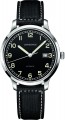
The Longines Heritage Military 1938 uses the simple, typical aesthetics based on the design of military watches produced by Longines in the 1930s. Based on designs for military watches produced in the 1930s, the models in the Longines Heritage Military 1938 line have retained the characteristic simple appearance of the original design...



